Soil is a fundamental natural resource for life on the planet. Without it, activities such as agriculture, biomass production, nutrient recycling and regulation of the hydrological cycle would not be possible. Soil contamination poses a threat to the health of ecosystems and people.
Restoring the quality of the subsoil (soil and groundwater) requires a step-by-step approach: investigating and characterizing the subsoil, assessing the risk associated with its contamination, designing a remediation plan, executing it and monitoring it.
For more than two decades, we have been dedicated to the care and protection of soils. Our team is expert incharacterization and decontamination techniques that allow us to optimize its management and revalue it. We manage to simplify the complex.


Outstanding projects
News
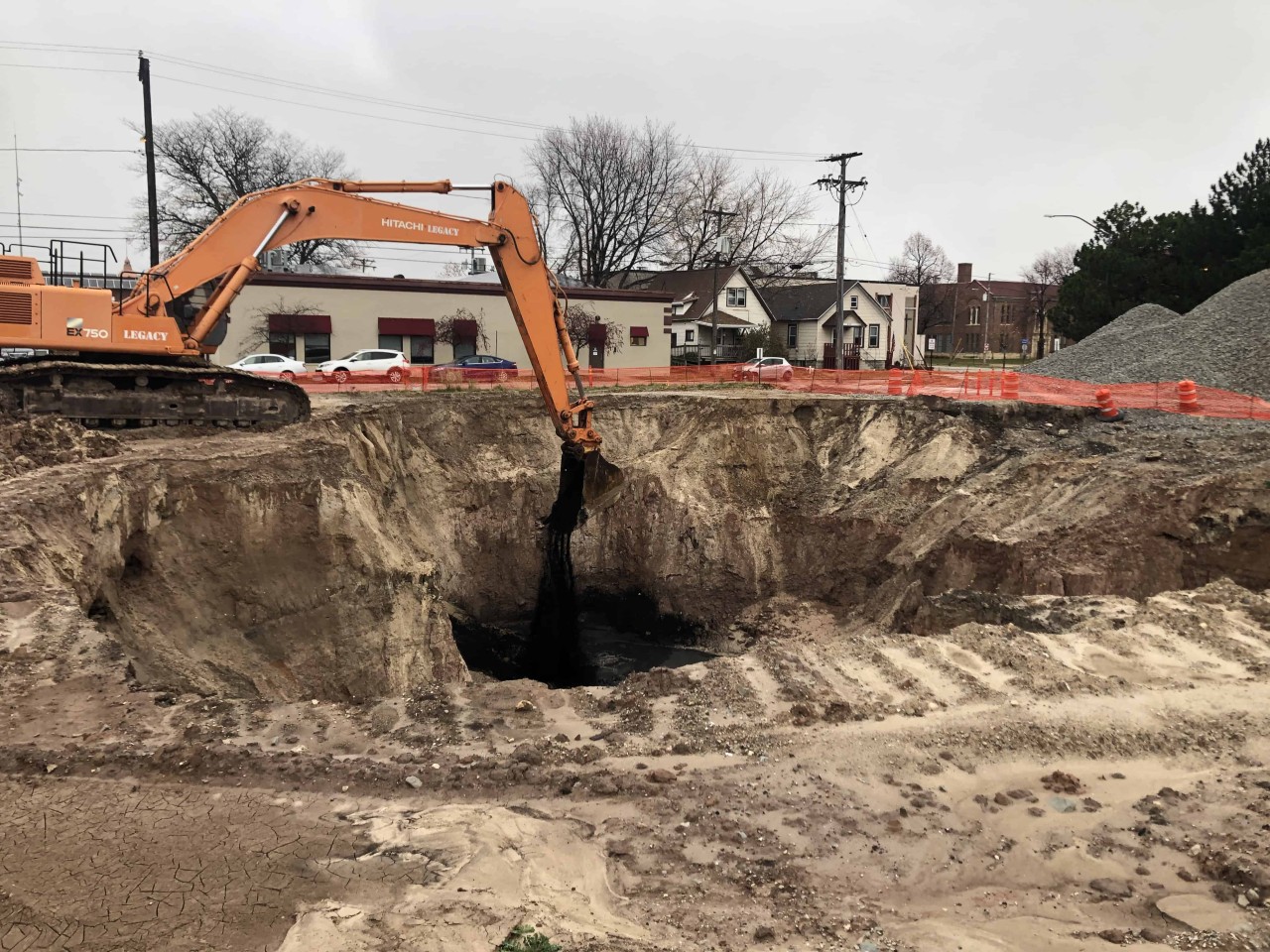
Soil decontamination encompasses the range of techniques used to remove, neutralise or immobilise contaminants in the ground, restoring soil quality to levels compatible with its intended use and with the protection of human health and the environment. Whether triggered by regulatory requirements, property transactions or environmental liability management, choosing the
Soil decontamination encompasses the range of techniques used to remove, neutralise or immobilise contaminants in the ground, restoring soil quality to levels compatible with its intended use and with the protection of human health and the environment. Whether triggered by regulatory requirements, property transactions or environmental liability management, choosing the

Radon gas is, according to the World Health Organization, the leading cause of lung cancer among non-smokers and the second among smokers, after tobacco. Despite its public health significance, it remains a contaminant largely unknown to the general public, partly because it is impossible to detect without specific instrumentation: it
Radon gas is, according to the World Health Organization, the leading cause of lung cancer among non-smokers and the second among smokers, after tobacco. Despite its public health significance, it remains a contaminant largely unknown to the general public, partly because it is impossible to detect without specific instrumentation: it
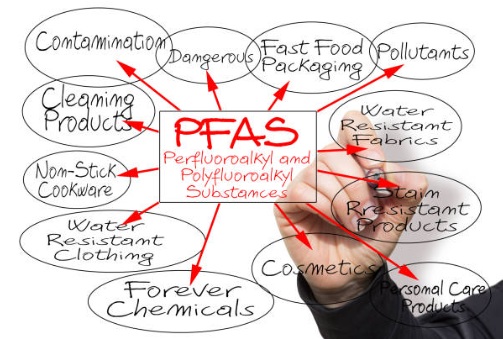
PFAS (per- and polyfluoroalkyl substances) are a large family of synthetic chemicals used for decades because they repel water, grease, and heat. The problem is that many PFAS are highly persistent in the environment and can migrate from soil into groundwater and surface waters—often creating long-term liabilities for industrial sites,
PFAS (per- and polyfluoroalkyl substances) are a large family of synthetic chemicals used for decades because they repel water, grease, and heat. The problem is that many PFAS are highly persistent in the environment and can migrate from soil into groundwater and surface waters—often creating long-term liabilities for industrial sites,

Litoclean was one of the companies that worked on the drafting of the document and summarizes the main points to be taken into account. NÚRIA RASÓS, MARC MEDINA, SONIA BALUK The Waste Agency of Catalonia (ARC) has recently published the Guide to the intrusion of petroleum hydrocarbon vapors in indoor
Litoclean was one of the companies that worked on the drafting of the document and summarizes the main points to be taken into account. NÚRIA RASÓS, MARC MEDINA, SONIA BALUK The Waste Agency of Catalonia (ARC) has recently published the Guide to the intrusion of petroleum hydrocarbon vapors in indoor

The general manager of Litoclean Peru highlights the regulatory evolution of these plans, which has allowed their successful development in the context of environmental emergencies. The environmental rehabilitation plan is a tool used in Peru in the context of an environmental emergency with the objective of carrying out studies and
The general manager of Litoclean Peru highlights the regulatory evolution of these plans, which has allowed their successful development in the context of environmental emergencies. The environmental rehabilitation plan is a tool used in Peru in the context of an environmental emergency with the objective of carrying out studies and

Emerging contaminants require investment in the knowledge and applicability of remediation techniques for detection and remediation. LITOCLEAN is developing several subsurface remediation projects where 1,4-dioxane is the main remediation compound. The treatment of this compound is a challenge in itself due to its particularities. The company’s commitment to R&D&I, the
Emerging contaminants require investment in the knowledge and applicability of remediation techniques for detection and remediation. LITOCLEAN is developing several subsurface remediation projects where 1,4-dioxane is the main remediation compound. The treatment of this compound is a challenge in itself due to its particularities. The company’s commitment to R&D&I, the


Several Autonomous Communities publish technical guides to establish the guidelines to be considered in the preparation of this type of studies, in order to guarantee the reliability of the results obtained. In soil investigation and remediation, Quantitative Risk Analysis (QRA) is an essential decision-making tool for assessing the adverse effects
Several Autonomous Communities publish technical guides to establish the guidelines to be considered in the preparation of this type of studies, in order to guarantee the reliability of the results obtained. In soil investigation and remediation, Quantitative Risk Analysis (QRA) is an essential decision-making tool for assessing the adverse effects

The presence of pharmaceutical compounds in water bodies has become one of the most significant environmental concerns of the past two decades. Traces of analgesics, antibiotics, hormones, psychiatric drugs and other active pharmaceutical ingredients are being detected in rivers, groundwater and even treated drinking water supplies across the globe, raising
The presence of pharmaceutical compounds in water bodies has become one of the most significant environmental concerns of the past two decades. Traces of analgesics, antibiotics, hormones, psychiatric drugs and other active pharmaceutical ingredients are being detected in rivers, groundwater and even treated drinking water supplies across the globe, raising

Pollutants of anthropogenic origin, i.e. from human activities, can adversely affect health and the environment. Even low levels of such pollution can present risks due to the physicochemical nature of the substances released and have an impact on the various environmental compartments, such as the hydrosphere (water), the lithosphere (soil),
Pollutants of anthropogenic origin, i.e. from human activities, can adversely affect health and the environment. Even low levels of such pollution can present risks due to the physicochemical nature of the substances released and have an impact on the various environmental compartments, such as the hydrosphere (water), the lithosphere (soil),
Blog
Video
Javier Cortón: Presentation on the Environmental Commitment of Service Stations at the FEGAES Congress.