The intervention achieved the remediation targets established in the Environmental and Health Risk Assessment (ERSA) and treated more than 1,400 m³ of groundwater, which was subsequently reinjected into the aquifer.
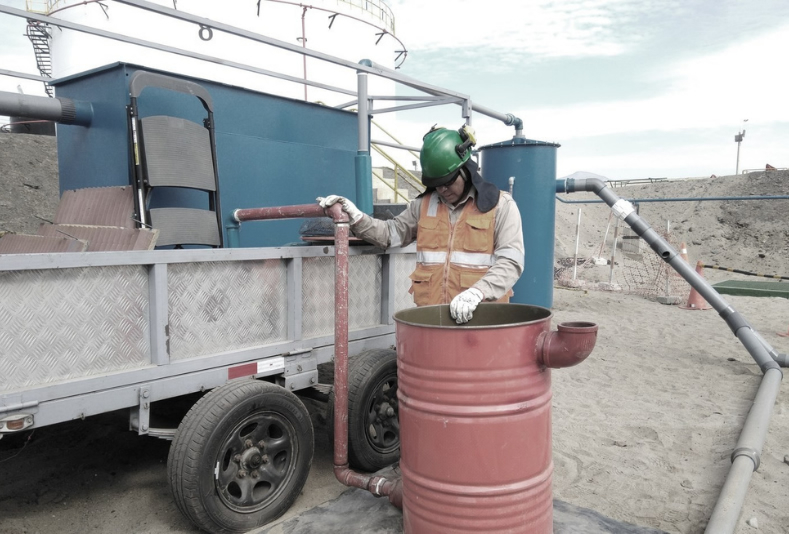
We have successfully completed an environmental remediation project at a hydrocarbon terminal in northern Peru, where we applied high-vacuum technology for the first time in the country to remediate soil and groundwater affected by a diesel spill.
The fieldwork phase of the project took place between December 2023 and September 2024, covering an area of approximately 1,000 m² and achieving final contaminant concentrations below the remediation targets established in the Environmental and Health Risk Assessment (ERSA).
The results demonstrate the effectiveness of this technology in simultaneously addressing contamination in both soil and groundwater, combining a high-performance intervention with an approach focused on the recovery and conservation of water resources.
A technology that targets both soil and groundwater
High-vacuum technologyenables the extraction of contaminants from the subsurface, both those present in groundwater and those in vapour form. This is achieved by creating a vacuum at selected points across the site, encouraging hydrocarbons to migrate towards the extraction points, from where they are conveyed to the treatment system.
For this project, we initially installed a series of strategically positioned piezometers to determine the most suitable system layout and maximise its area of influence. The high-vacuum system subsequently operated continuously for five months, significantly reducing hydrocarbon concentrations in both environmental media.
Reducing contamination below the established remediation targets
The analytical monitoring carried out throughout the intervention made it possible to track changes in contamination levels and assess compliance with the remediation targets defined in the ERSA.
For groundwater, the remediation target was set at 10 mg/L of F2 fraction hydrocarbons. Following the intervention, concentrations fell below this threshold and also approached the intervention value established by Dutch regulations, set at 0.6 mg/L.
In soil, final concentrations were below 5,000 mg/kg, compared with the remediation target of 16,000 mg/kg established in the ERSA, and were in line with the reference values applicable to industrial-use soils.
These results confirm that the intervention successfully achieved the established remediation targets for both soil and groundwater.
Treated water is returned to the aquifer
One of the key aspects of the project was the management of the groundwater extracted during the operation.
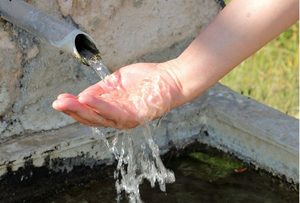
In total, we treated 1,429.69 m³ of groundwater. Following the necessary treatment, the water was reinjected into the aquifer, preventing its loss and contributing to more sustainable water resource management.
This approach reflects our commitment to remediation solutions that not only remove contamination but also take into account the efficient use of resources and the environmental recovery of the site.
A step forward for environmental remediation in Peru
This intervention marks the first remediation project using high-vacuum technology carried out by Litoclean in Peru and represents another step forward in the application of advanced solutions for the recovery of hydrocarbon-impacted sites.
The experience gained throughout the project demonstrates the potential of this technology as an efficient, innovative and reliable solution for addressing soil and groundwater contamination, with each intervention tailored to the specific characteristics of the site.
At Litoclean, we are committed to protecting the environment by applying our knowledge and expertise to reducing pollution and developing effective and sustainable remediation solutions.